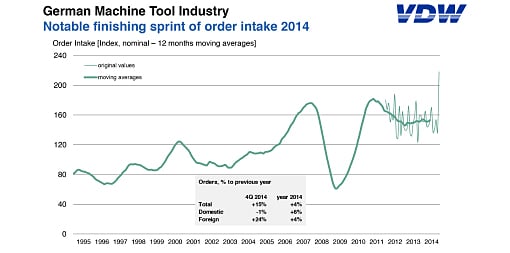





In the second quarter of 2026, incoming orders were up 12 percent compared to the same period of the previous year. After a rise of 15 percent in the first quarter, the first six months have seen an overall growth of 14 percent. Domestic orders increased by 16 percent and orders from abroad by 13 percent.
“Two quarters in a row with a double-digit order increase is an encouraging sign. The slump is behind us and we’re now on course for better times,” says Bernhard Geis, Head of Economics and Statistics at VDW (German Machine Tool Builders’ Association), commenting on the figures. “However, it’s too early to give the all-clear. The baseline was low and project business is still making a considerable contribution to growth. There are only limited grounds for talk of a widespread recovery of demand.”

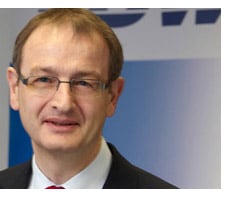
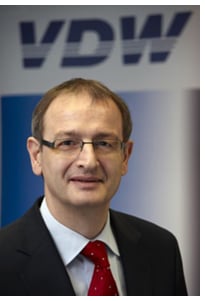
Bernhard Geis, Head of Economics and Statistics at VDW.
Aviation and Defense driving demand
The development continues to vary considerably according to customer industry. Aviation and Defense appear particularly dynamic. There is also plenty of demand from the electronics industry and medical technology. The situation remains more difficult in metal processing and mechanical engineering, while the biggest challenges continue to be found in the automotive and supplier industry. Here, the share of total sales for the German machine tool industry dropped to 23 percent in 2025. The largest customer sector remains mechanical engineering with 27 percent. The aviation industry, on the other hand, has increased significantly: its share rose by five percentage points to reach 11 percent within a period of two years.
Improved order situation has not yet reached production
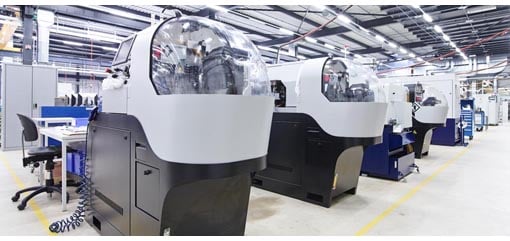
This recovery has not yet reached production. In the second quarter, calculations estimated a 6 percent drop on the previous year. In the first six months, production declined by a total of 7 percent to around 5.9 billion Euro. However, the improved order situation should make more of an impact over the remaining course of the year.
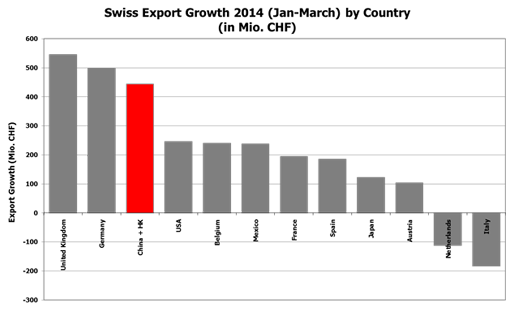
There are also signs of stabilization when it comes to export activities. In the second quarter, exports were still four percent lower than the previous year. A far slower decline when compared to the first quarter. As the largest market, the US remains a key pillar of the industry. Deliveries to the US increased by 8 percent in the first six months. In contrast, exports to the second biggest market, namely China, fell by 24 percent. However, companies have recently reported signs of stabilization and a slight revival of Chinese demand. In view of the intense price competition, the principle of “Local for Local” continues to be a key mantra for German manufacturers with their own on-site production facilities.
In Europe, German machine tool industry exports fell by a total of 6 percent in the first six months of the year. France saw positive developments with a plus of 25 percent and a return to its position as the third most important sales market. Positive developments were also seen in Poland and the Czech Republic. India stayed on course for continued growth and has since become the fourth largest market of the industry.

The positive trends experienced in the machine tool industry are continuing into the second quarter: incoming orders increased by 12 percent compared to the previous year.
Domestic orders increasing
Domestic development remains strained, however, with domestic sales 10 percent below the figure for the previous year in the first six months. And yet there are positive signs coming from the increase in domestic orders.
Economic indicators such as the ifo Business Climate Index and the Purchasing Managers’ Index are also currently documenting a better industry outlook. With a drop of two percent, imports held up better than domestic sales. Japanese and South Korean manufacturers, in particular, were able to increase their sales in Germany. Overall, domestic consumption fell by 6 percent, demonstrating that sluggish investment on the German market has not yet been resolved.
Capacity utilization has recently stabilized at around 75 percent. At the same time, the process of structural adjustment in the industry continues. Around 60,000 people were employed by companies in June, representing a good 6 percent less than the year before. Production figures are now currently around a third lower than the peak phases of earlier years. Bernhard Geis sums it up: “Total order intake has been heading in the right direction for six months now. It is crucial that this leads to a sustainable recovery.”